
The Big Picture
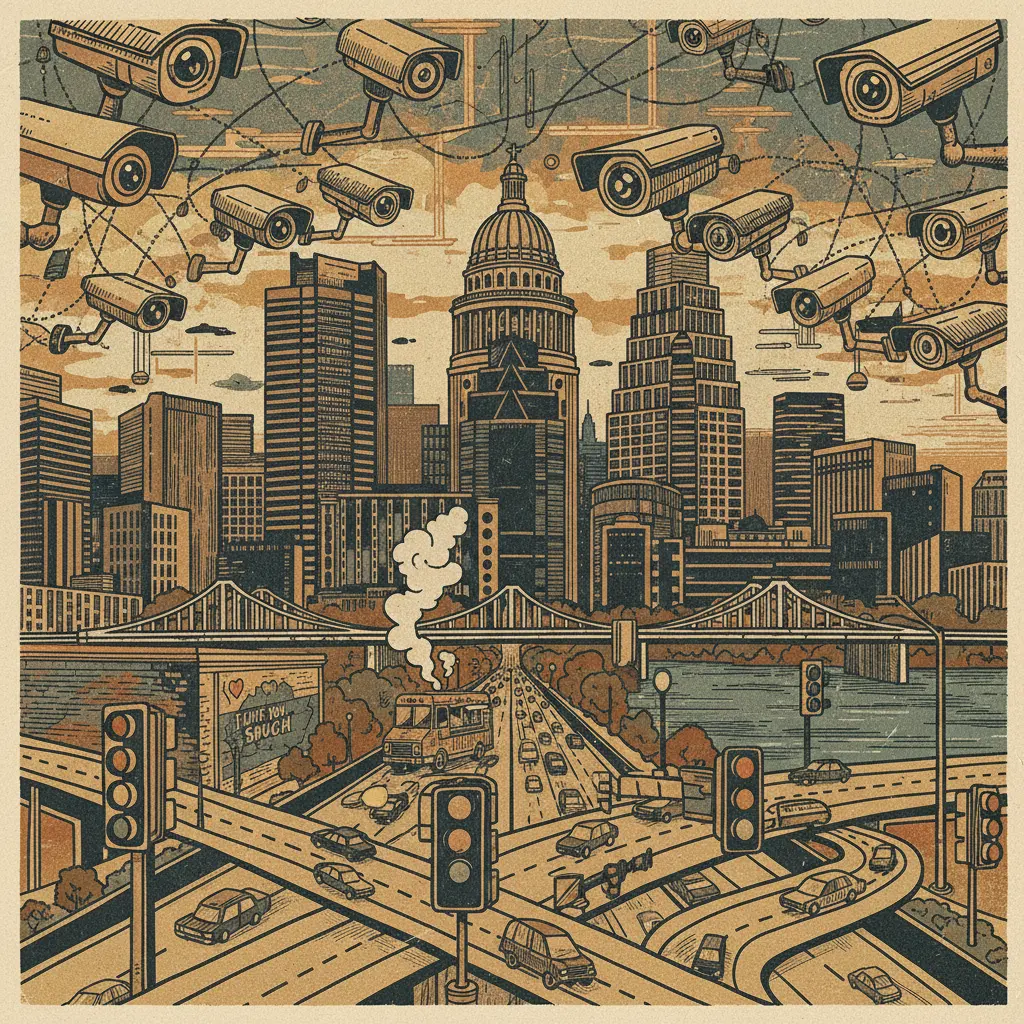
This isn't your grandpa's neighborhood watch. We're talking about a network of cameras that track license plates and vehicle movements, feeding that data to law enforcement in real-time. Ostensibly, it's to fight crime. Realistically, it's another step towards a world where every move you make is recorded, analyzed, and potentially used against you. So, you know, business as usual. The KXAN investigation revealed the extent of these data-sharing agreements, turning the abstract fear of surveillance into a concrete list of who's watching.
By the Numbers
180 days How long DPS keeps the Flock data. 6000+ Number of law enforcement agencies that have access to ALPR data in the US. $2,500 Approximate cost per camera per year. 1 Number of times you thought about wearing a tin foil hat today.What Changed
Remember when privacy was something you expected? Now it's a luxury, like affordable housing or a decent breakfast taco after 10 AM. The shift happened slowly, drip by drip, justified by buzzwords like "security" and "efficiency." The Patriot Act normalized mass surveillance after 9/11, and now local law enforcement agencies are happily hopping on the bandwagon, because Big Brother is trending. This KXAN report pulls back the curtain and shows the sheer scale of the operation, revealing the web of data-sharing agreements that have sprung up in the dark.
Why It Matters
Because the more data they collect, the less freedom you have. Every time you drive somewhere, your movements are being recorded, analyzed, and stored. This information can be used to track your habits, predict your behavior, and potentially target you for… well, who knows what? Maybe you just have outstanding parking tickets. Or maybe you're a dissident with a penchant for subversive bumper stickers. Either way, you're on the grid. And the grid is always watching.
- The upside? Maybe they'll finally catch that guy who keeps stealing catalytic converters.
- The downside? You can't even discreetly drive to that dispensary in Pflugerville anymore.
- The real question? Who's watching the watchers? (Spoiler alert: probably nobody).