
The Big Picture
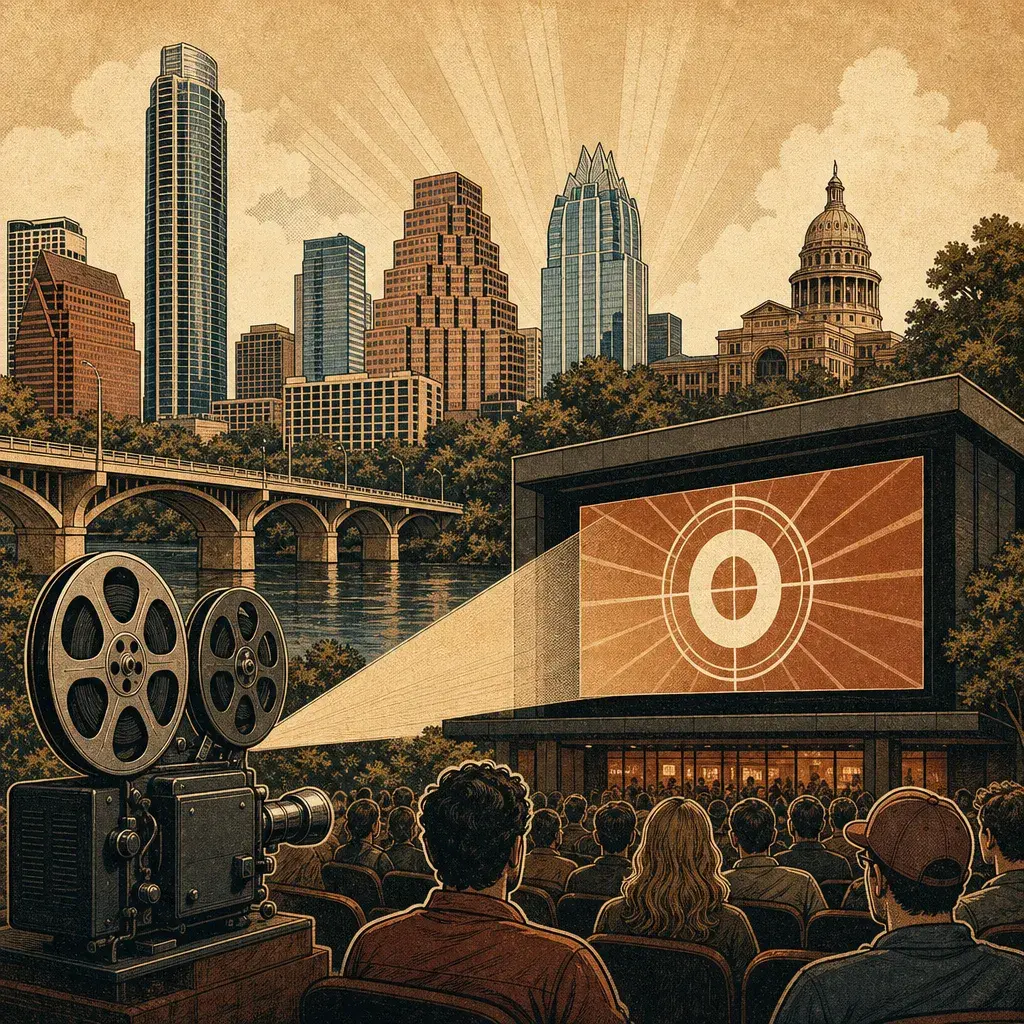
Late-night thought: a good movie theater is a communal brain cell that remembers how to feel. Austin Film Society’s two-screen arthouse is trying not to lose its neurons. On Saturday, July 18, AFS founder and Artistic Director Richard Linklater announced a public fundraising push to raise $250,000 to fund a third screen. This is not a celebrity vanity project so much as a capital play to expand programming, create more screening slots, and keep cinephilia local when streaming algorithms want to turn everything into a single-thread feed.
By the Numbers
$250,000 Fundraising goal announced to cover costs of adding a third screen. 2 Current number of screens at AFS Cinema. 3 Number of screens the cinema will have if the campaign succeeds. Saturday, July 18 Date Richard Linklater publicly launched the initiative during a special screening of his Oscar-nominated film Boyhood.What Changed
AFS Cinema has operated as a two-screen arthouse — a tiny, curated alternative to multiplexes and streaming queues. The new development is procedural but meaningful: rather than quietly patching scheduling conflicts or turning down repertoire because of time constraints, AFS is asking the public to bankroll extra capacity. The shift is less about glitz and more about resilience. Linklater used a high-profile screening of Boyhood to make the ask, folding a fundraising moment into an event that already drew attention, which suggests the campaign will lean on community goodwill and the allure of local cultural capital.
Why It Matters
Because screens are not just projection surfaces; they're public rooms where context survives. A third screen means more chances for repertory revivals, indie premieres, local filmmakers’ showcases, and the kind of risky programming that algorithms rarely bother to surface. This matters tonight because every time we let a venue stay small for too long, we lose scheduling flexibility, festival slots, and the informal networks that incubate filmmakers. The math is simple: more screens = more cultural oxygen for a scene that gets squeezed by rents, platforms, and time.
What's Next
AFS will need donors, likely a mix of small patrons and larger gifts, and a timeline has not been publicly committed beyond the announcement. Expect membership drives, named-seat opportunities, and benefit events. If the campaign hits its target, the practical work—permitting, construction, tech installs—will follow. If it doesn’t, expect creative compromises: fewer special runs, tighter schedules, more “choose a film, pick your night” friction.