
The Big Picture
Vladyslav Heraskevych, competing in men's skeleton, designed a helmet to commemorate Ukrainian athletes who have lost their lives in the ongoing conflict. He trained with the helmet on Monday, only to be informed that night that his tribute would not be allowed during the competition. The IOC, ever vigilant against unsanctioned displays of human emotion, cited regulations against political statements. The message was simple: glide fast, feel nothing.
By the Numbers
Zero The number of f***s the IOC gives about individual expression, apparently. 1924 The year the first Winter Olympics were held, a simpler time when athletes were presumably less inclined to express feelings that didn't involve winning gold. Millions The amount spent on branding and image control by sponsors. Two The number of thoughts the IOC has about anything beyond revenue generation.What Changed
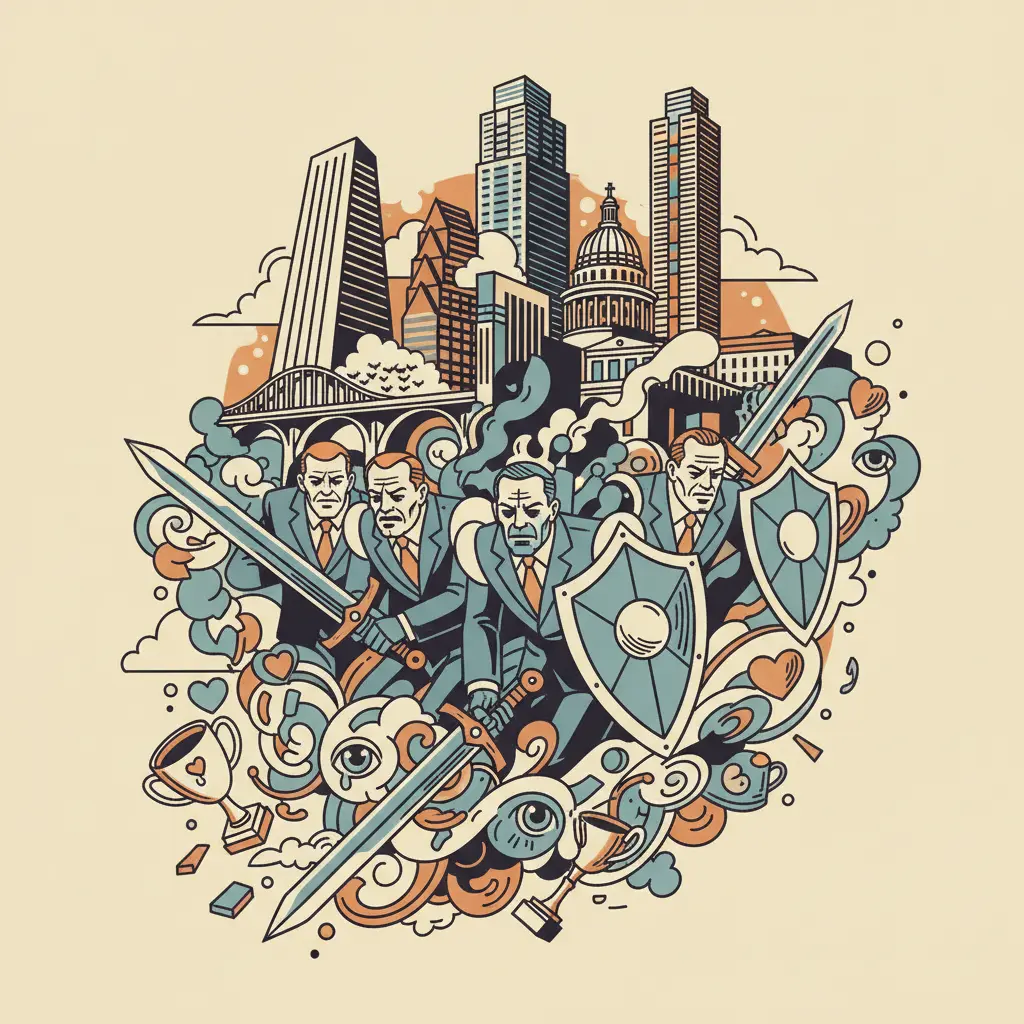
The shift, as always, comes down to control. The IOC is terrified of anything that disrupts its carefully crafted narrative of unity and sportsmanship. Allowing an athlete to express genuine grief or political sentiment opens the door to… what, exactly? Acknowledging that the world is a messy, complicated place, even during the Olympics? Heaven forbid.
Why It Matters
Because this isn't just about a helmet. It's about the soul-crushing conformity that permeates every aspect of modern life. It's about the relentless pressure to sanitize everything, to reduce human experience to a series of carefully curated images. It's about the fact that even in a supposedly apolitical arena like the Olympics, the forces of control are always watching, always ready to stamp out any flicker of dissent. So, go ahead, watch the games. But remember that behind the smiles and the medals, there's a cold, calculating machine working to keep you in your place. Maybe we should all just stay home and watch cat videos. At least the cats are honest about their indifference.