
The Big Picture
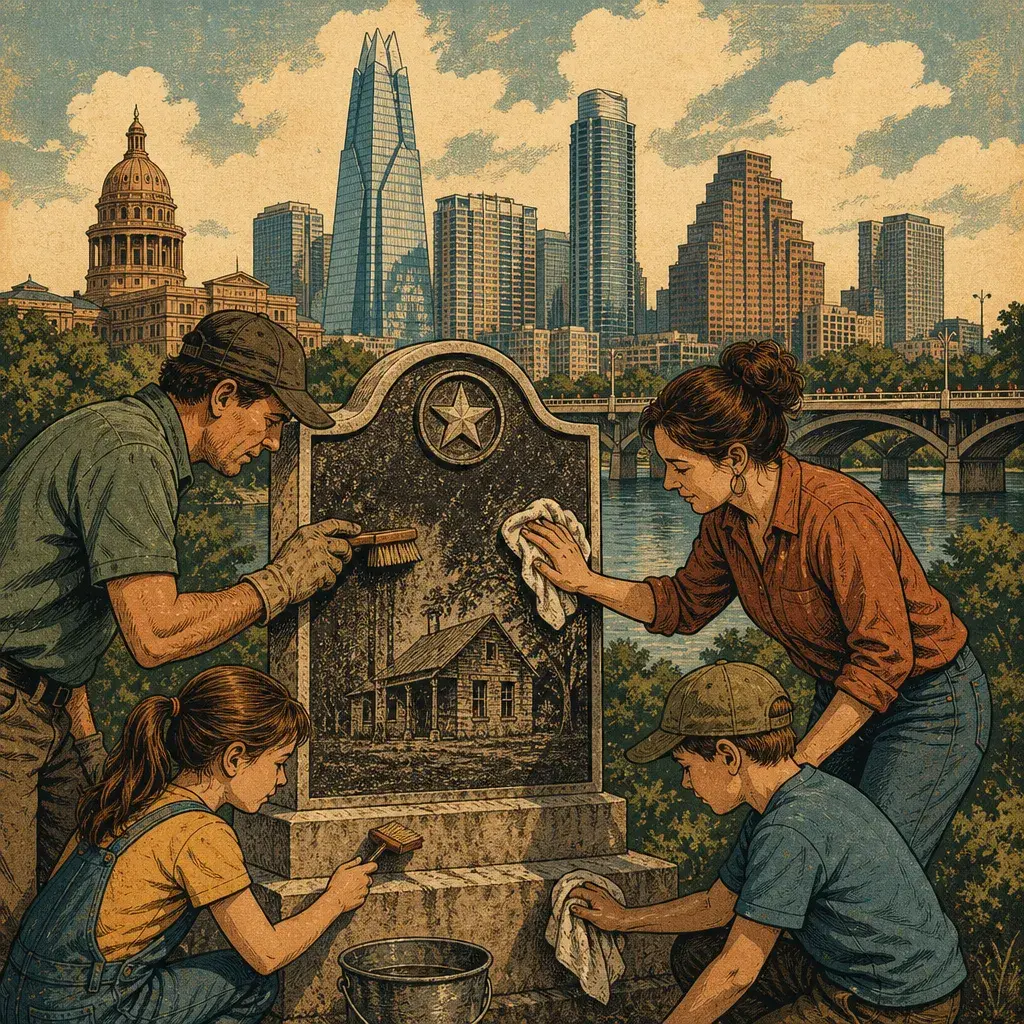
People like to say history is written by the winners, which is an elegant way of admitting it also gets ignored, dinged, and left to collect bird poop. An Austin family has been spending their spare hours restoring historical markers around Central Texas — cleaning plaques, tightening screws, replacing faded text where they can — turning weathered municipal jewelry back into legible memories. KXAN reports the work is grassroots, low-budget, and quietly persistent: not a city program but a string of volunteer afternoons that suddenly look like one of the few ways a community remembers itself without an app monetizing it.
By the Numbers
Dozens Rough scale of historical markers in Central Texas the family has touched as they patrol county roads and small-town squares. 50–150 years Typical age range of the events and people those markers commemorate — from early settlers to mid-century civic milestones. 0 Dollars in direct profit for the family; this is volunteer time and elbow grease, not a city contract. 1 Family unit doing the work, illustrating how a small group can make a visible dent in public memory preservation.What Changed
What shifted is attention. For years, small-town markers have faded into the background like lawn signs about events that already happened. The family’s project reframes these roadside plaques as active public assets needing maintenance rather than passive ornaments. It’s less a change in policy than a change in practice: neighbors taking responsibility because larger institutions are strapped for cash, staff, or political appetite to prioritize plaque upkeep. The invisible labor of historical care is being made slightly less invisible.
Why It Matters
Markers are memory in a public key: they tell passersby what the place values enough to note. When plaques become illegible, communities lose a fast way to point at their past and say, "This happened here." That erasure is quiet, cumulative, and democratic — anyone can watch it happen over decades. The family's work resists a slow form of forgetting that happens without fanfare, and it reconnects people to the ground under their feet.
Between the Lines
This isn’t nostalgia for nostalgia’s sake. It’s a small civic correction: maintenance is the unsung sibling of preservation. If you care about public memory — or hate realizing you live in a place that forgot its own story — you should care about who is left to do the upkeep.