
The Big Picture
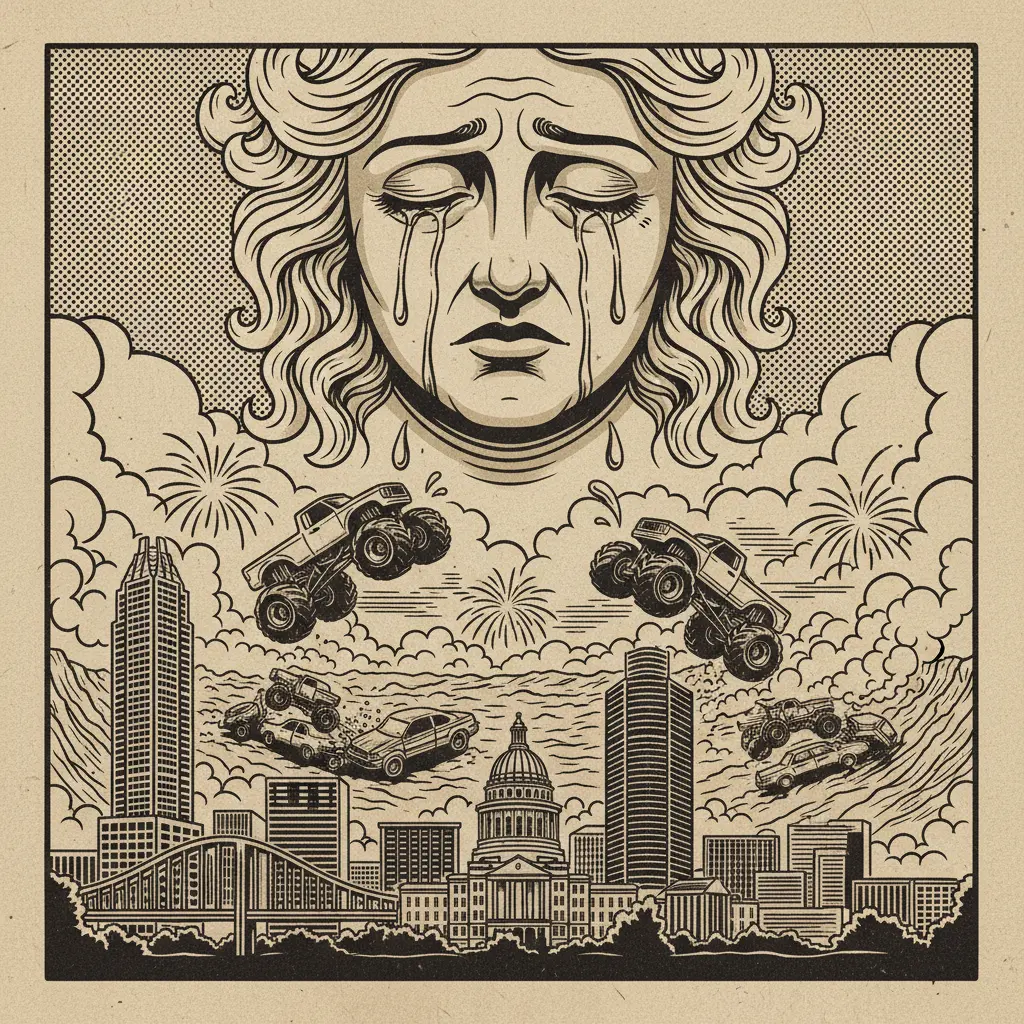
NRG Stadium, home of the Houston Texans and countless other events where large numbers of people gather to witness spectacle, sprung a leak during Saturday night's Monster Jam. Videos surfaced online showing rain pouring through the roof, turning sections of the stadium into an impromptu water park. The official explanation cites ongoing roof repairs, but the optics are... less than ideal. Especially when you're charging people money to watch giant trucks crush things.
By the Numbers
$300 million Approximate cost of the original construction of NRG Stadium. 22 Years since the stadium opened in 2002. 72,220 Seating capacity of NRG Stadium. TBD Cost of the roof replacement project. (Probably a lot.) Infinite The number of memes that will be generated from this.What Changed
Well, the weather, for one. Houston got rain. But more broadly, the deferred maintenance on a massive public venue is now impossible to ignore. Stadiums are like empires; they seem invincible until they're not. The relentless passage of time, coupled with the occasional thunderstorm, has exposed the stadium's vulnerability. The Texans might be okay, but the roof? Not so much.
Why It Matters
Because it's a metaphor! We're all leaky roofs, slowly succumbing to the elements, desperately trying to hold ourselves together while the world watches Monster Jam. Also, if you paid for a ticket, you deserve not to get rained on indoors. The whole point of a stadium is to *avoid* the elements. This isn't just about a leaky roof; it's about the slow decay of everything we thought was permanent.
Public Response
Social media, naturally, exploded with jokes and complaints. Some people demanded refunds, while others suggested turning the whole stadium into a giant slip-n-slide. The general consensus seems to be that if you're going to charge premium prices for entertainment, the least you can do is provide a dry seat.
What's Next
The Harris County Sports & Convention Corporation will presumably accelerate the roof replacement project, while also issuing carefully worded statements about their commitment to fan safety and comfort. Expect temporary fixes and maybe some strategically placed tarps. The long-term question is whether this incident will trigger a broader conversation about infrastructure investment and preventative maintenance. Spoiler alert: probably not, until something else breaks.