
The Big Picture
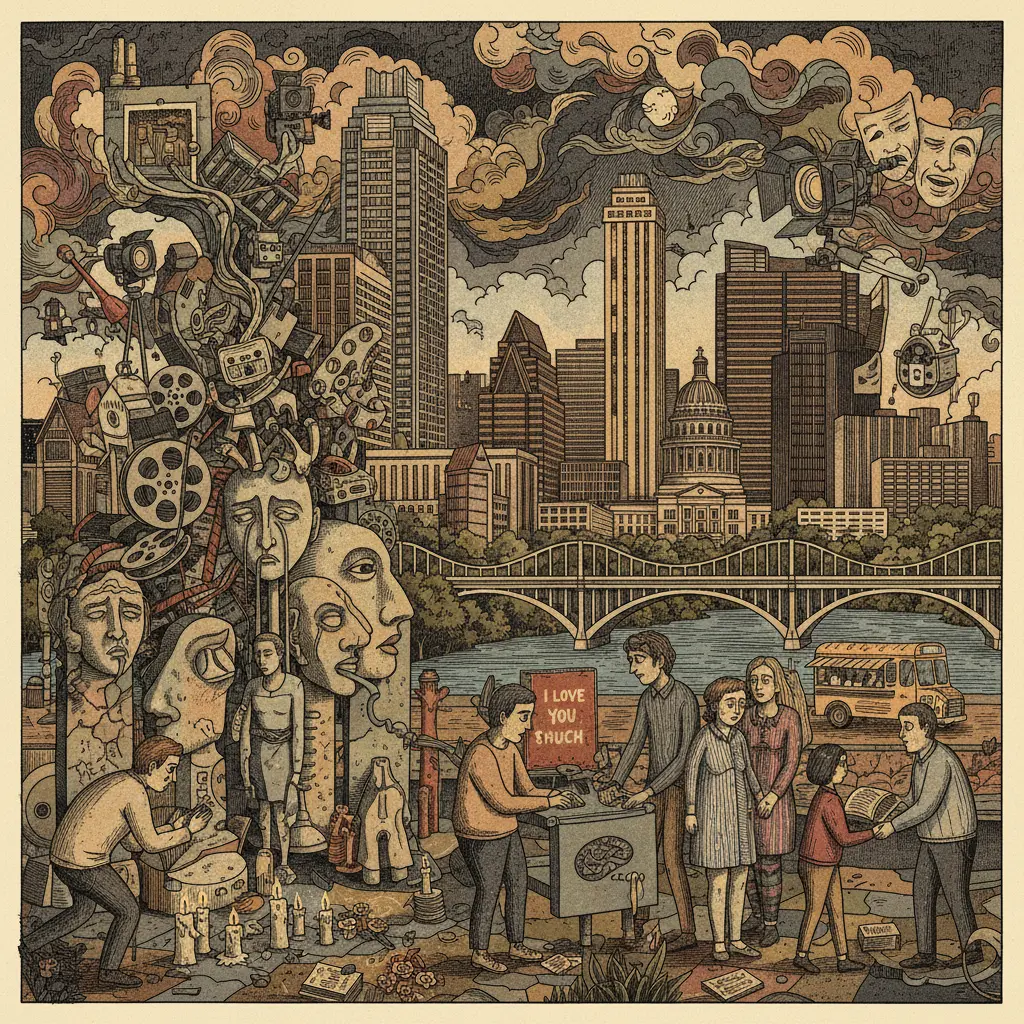
Salado, Texas, is experiencing a cultural moment of bizarre beauty as locals transform a public sculpture into an impromptu memorial for the late Robert Duvall. Instead of mourning at his actual grave (presumably elsewhere), they are paying tribute at a statue of Tom Coleman, the character Duvall played in the 2009 film "Seven Days in Utopia." This unusual act raises questions about how we process celebrity death and the role of art in public mourning.
By the Numbers
95 The age of Robert Duvall at the time of his death. 2009 The year "Seven Days in Utopia" was released, featuring Duvall as Tom Coleman. 1 The number of statues of Tom Coleman in Salado, Texas, now serving as a makeshift memorial. 0 The number of actual Robert Duvall statues in Salado. 7 Number of days in Utopia... apparently.What Changed
The death of Robert Duvall triggered this outpouring of grief, transforming a piece of film memorabilia into a memorial. The forces at play include our collective obsession with celebrity, the power of cinema to create lasting impressions, and perhaps the general weirdness that permeates small-town Texas culture. The statue of Tom Coleman, once just a piece of public art, is now imbued with new meaning, blurring the line between the actor and the character he portrayed. The very definition of 'art' has been hijacked by sentimentality.
Why It Matters
In an age where the digital world often feels more real than reality, this physical act of mourning at a fictional landmark suggests a deeper need for tangible connection. It's a reminder that art, in all its forms, can serve as a vessel for our emotions, even if those emotions are directed at a representation of a representation. Or maybe it just shows we are all trapped in a simulation, and the code is starting to glitch. Either way, it's more interesting than doomscrolling through Twitter tonight.