
The Big Picture
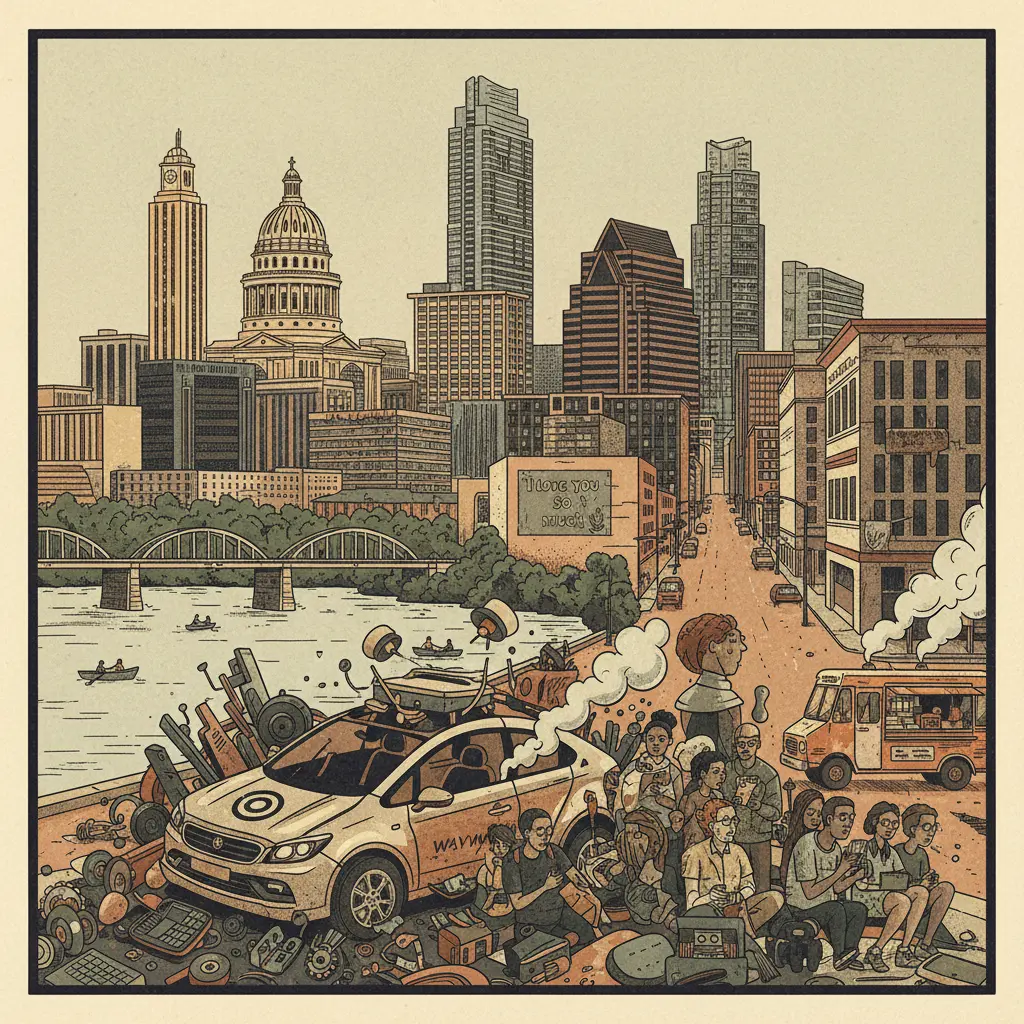
An Austin Waymo vehicle contacted a remote human assistant to ask if a school bus was signaling drivers to stop. The remote worker incorrectly said "no." As a result, the Waymo illegally passed an Austin Independent School District bus, marking the 23rd time that school year a Waymo vehicle committed this violation.
By the Numbers
23 Times a Waymo vehicle illegally passed a school bus this school year. 1 Number of remote human assistants who apparently skipped "School Bus Safety 101". 0 Number of children actually harmed in this specific incident (thankfully). 100 Estimated percentage of parents now side-eyeing every self-driving car they see. Michigan The location of the remote human assistant. (Author's note: Nothing against Michigan, but maybe keep the robots and school buses within the same area code?)What Changed
The shift here is a stark reminder that even the most advanced AI is still reliant on human input. The promise of self-driving cars was a world free from human error. Instead, we've created a system where human error is simply outsourced to a different location. This incident highlights the fragility of relying on remote assistance for critical safety decisions. The dream of seamless, autonomous transportation grinds to a halt when someone in a call center has a momentary lapse in judgment.
Why It Matters
Because this isn't just about a missed school bus; it's about the illusion of control in an increasingly automated world. We're entrusting our lives to algorithms and code, but those systems are still vulnerable to the whims of human fallibility. Every time a self-driving car messes up, it erodes public trust and reinforces the nagging suspicion that maybe, just maybe, we're not quite ready to hand over the keys to the robots just yet. For now, the future is still being driven by people who sometimes spill coffee on their keyboards.