
The Big Picture
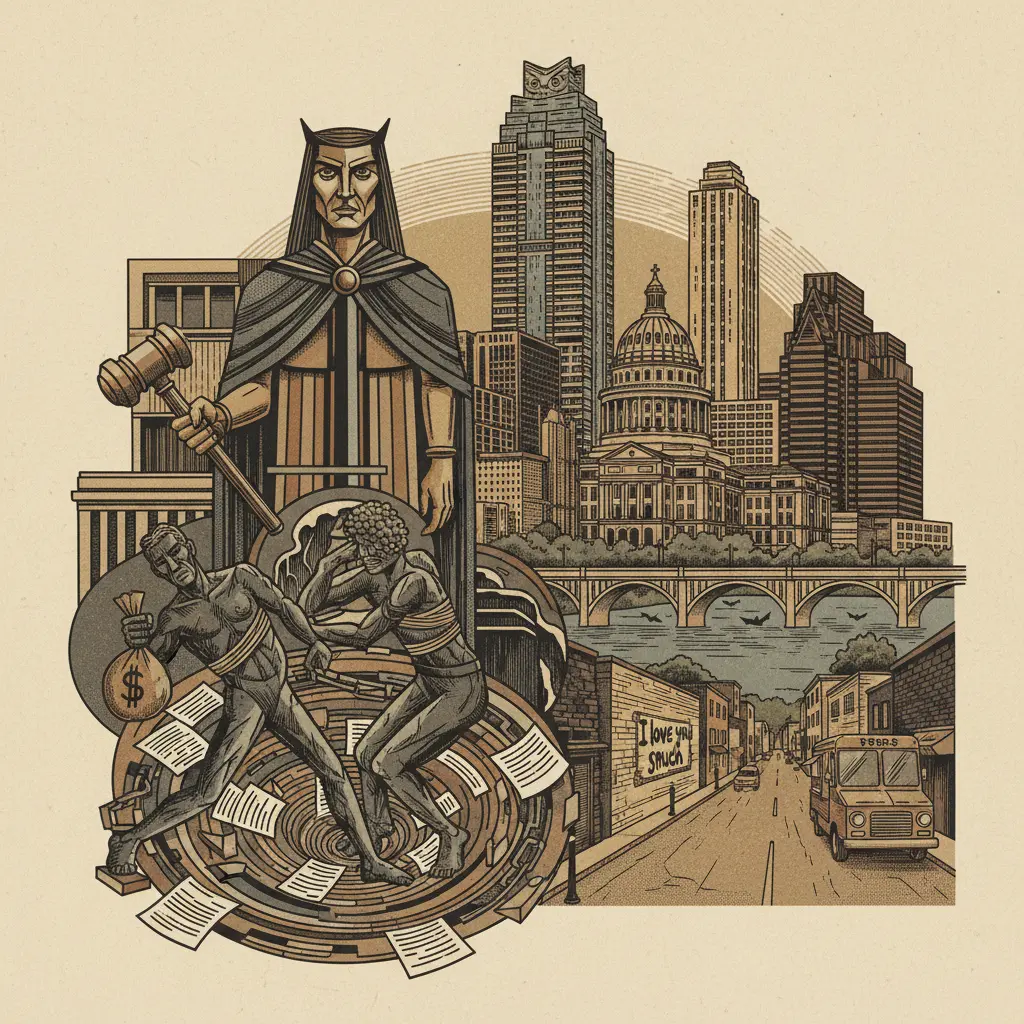
Erik Charles Maund, scion of the Austin-area Maund Automotive Group, thought he could buy his way out of a messy situation involving a former lover. Instead, he bought himself a prison sentence and a whole lot of bad press. The reversal of the lower court's decision means Maund's original conviction stands, and he'll continue to enjoy the hospitality of the federal penal system. This saga serves as a grim reminder that even vast wealth can't shield you from the consequences of, say, plotting a murder.
By the Numbers
2020 The year Holly Williams and William Lanway were kidnapped and murdered. 2023 The year Erik Charles Maund and his accomplices were convicted. Life Sentence The potential sentence Maund faces, reminding us that some problems can't be solved with money. $750,000 The amount Maund allegedly paid to carry out the hit, which is probably less than he's spending on lawyers now. Sixth Circuit Court of Appeals The court that decided to rain on Maund's parade.What Changed
The initial ruling granting Maund a new trial sent ripples of dismay through the legal community and fueled the cynicism of anyone who believes the wealthy operate under a different set of rules. The appellate court's reversal restores some faith in the system, suggesting that even privilege has its limits. The key forces at play here are the relentless pursuit of justice by the prosecution and the appellate court's commitment to upholding the original verdict.
Why It Matters
Because the alternative is a world where wealth insulates the powerful from accountability. This case is a high-profile example of the legal system (eventually) working as intended, even when the defendant has deep pockets. It's a small victory in the ongoing battle against impunity, and a reminder that even in our deeply flawed system, some lines can't be crossed without consequence. Plus, it's a cautionary tale for anyone considering solving their problems with violence: it rarely ends well, especially when you leave a paper trail.