
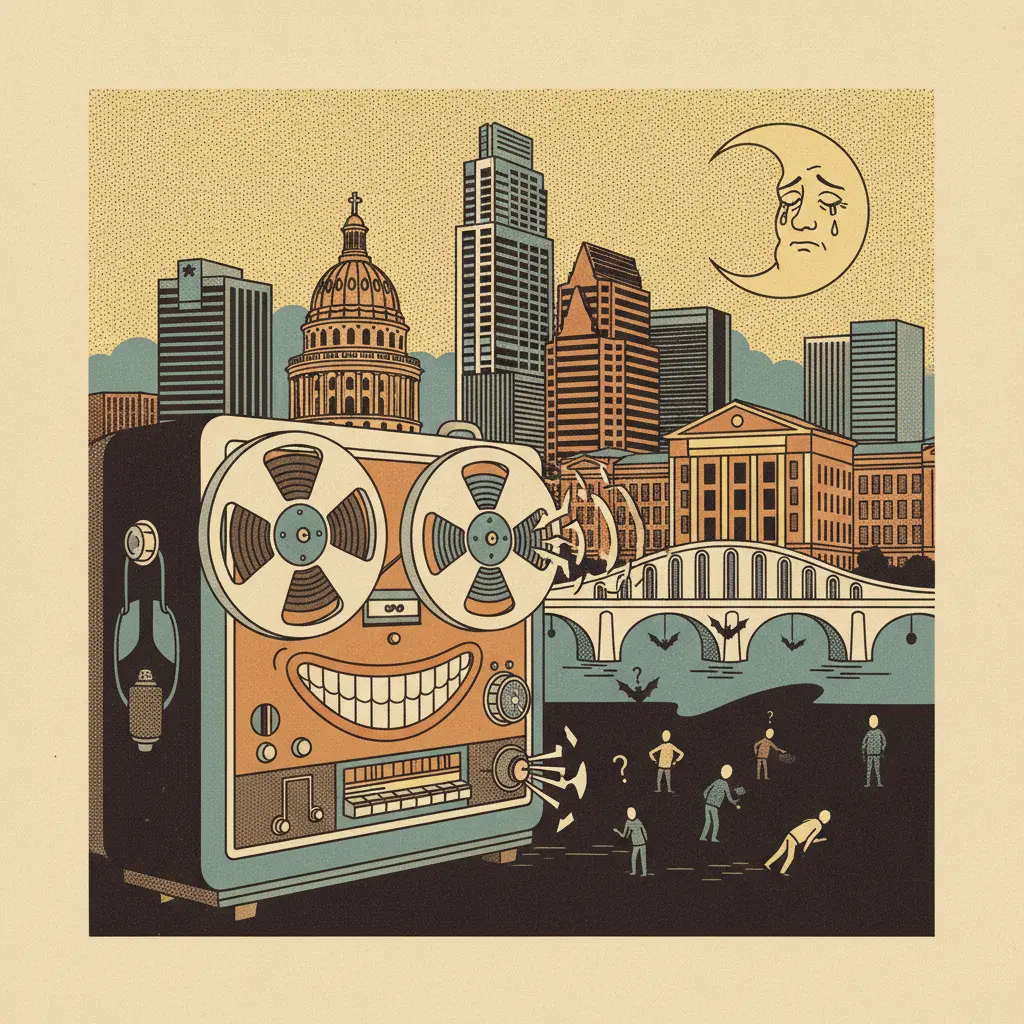
The Big Picture
The ATX TV Festival is dedicating a significant portion of its programming to the multi-camera sitcom, that bastion of canned laughter and easily digestible narratives. It’s a look back at a format that once dominated television, a format that is now viewed with a mixture of nostalgia and skepticism. The festival aims to explore the enduring appeal (or lack thereof) of these shows, dissecting their impact on popular culture and the evolution of comedy.
By the Numbers
22 minutes The average runtime of a classic sitcom episode, a perfectly crafted unit of escapism. 3-4 cameras The standard setup for filming multi-cam sitcoms, capturing every angle of the comedic chaos. Millions The number of viewers who once tuned in weekly to watch sitcom families navigate relatable (and not-so-relatable) problems. Now they're all doomscrolling. 1950s The decade that birthed the multi-camera sitcom format, forever changing the landscape of television. Zero The amount of self-awareness most sitcom characters possessed, blissfully unaware of their own absurdity.What Changed
The rise of single-camera comedies, streaming services, and the internet have all contributed to the decline of the multi-camera sitcom. Audiences have become more sophisticated, demanding more complex narratives and less predictable humor. The laugh track, once a comforting signal of comedic timing, now feels like a relic of a bygone era, a constant reminder that we're being told when to laugh. But the familiar comfort of a family dinner scene is hard to replicate.
Why It Matters
In a world spiraling into chaos, is there solace to be found in the predictable rhythms of a multi-camera sitcom? Or is it just another form of escapism, a distraction from the existential dread that gnaws at our souls? Maybe the ATX TV Festival will provide some answers, or maybe it will just leave us with more questions than we started with. Either way, it's an excuse to leave the house and pretend that things aren't falling apart. Watch it, then ask yourself, 'Am I the laugh track, or the person laughing?'