
The Big Picture
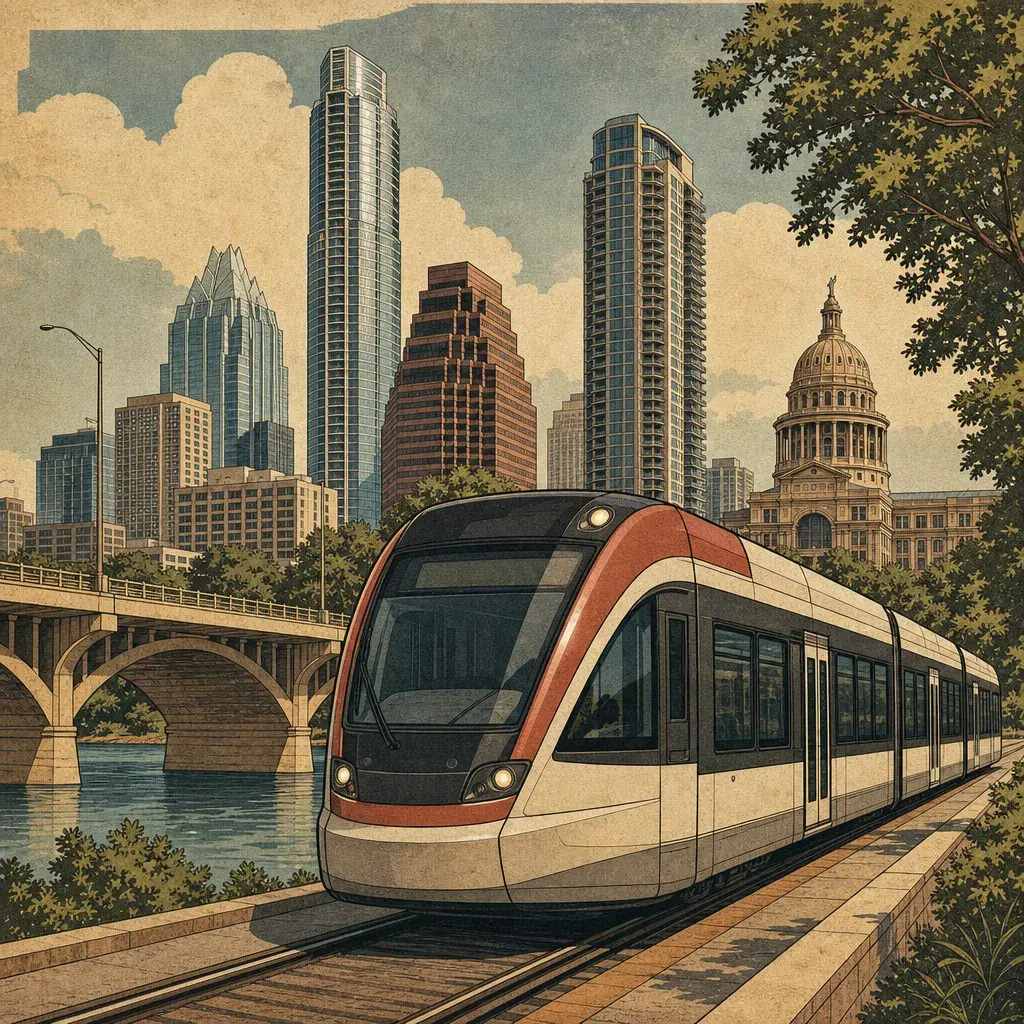
Light rail is a promise that keeps getting bought in installments. Austin Transit Partnership this week approved $39 million to begin the design, testing and eventual delivery of a new fleet of light‑rail train cars for Austin's planned system. The vote pushes procurement from concept into engineering details, even as public feedback about scope, cost and timeline remains mixed.
By the Numbers
$39 million Funding approved by the Austin Transit Partnership to start designing, testing and procuring new light‑rail vehicles. 3 The stated phases this money targets — design, testing and delivery — not a full procurement of every car the network will need. 1 The agency taking this step: the Austin Transit Partnership, which is moving a capital project from plan into technical execution.What Changed
This isn't a fresh mandate to build tracks or a sudden expansion of routes. It's an operational pivot: ATP shifted from strategy and public planning into concrete vehicle procurement work. That means engineers will start nailing down specs — door placement, accessibility, crash standards, whether seats will be regretfully faux‑leather — and vendors will be invited to bid. For critics who feared endless study, it's a visible movement; for skeptics who want immediate service, it's still paperwork dressed as momentum.
Why It Matters
Train cars are both symbol and tool. They are the tangible thing a city can point to when it says "we’re doing transit." But cars don't equal service: without tracks, dispatch, maintenance yards, and operational funding, they sit in a lot waiting for someone to teach them how to be a network. For riders, this funding signals a long lead time between political approval and functional, daily trains that replace car trips.
Between the Lines
Mixed feedback matters because public trust is the currency of big transit projects. Approving dollars for design and testing is the kind of step that looks like progress to planners and accountants and like bureaucratic theater to residents who want real alternatives to clogged streets. ATP is buying credibility in increments — and credibility is cheaper than actually fixing congestion, at least in the short term.
What's Next
Expect technical procurements, vendor proposals, design iterations and another round of public comment. Delivery of cars will lag behind these steps; the money approved covers early‑stage work rather than a full fleet handover tomorrow.