
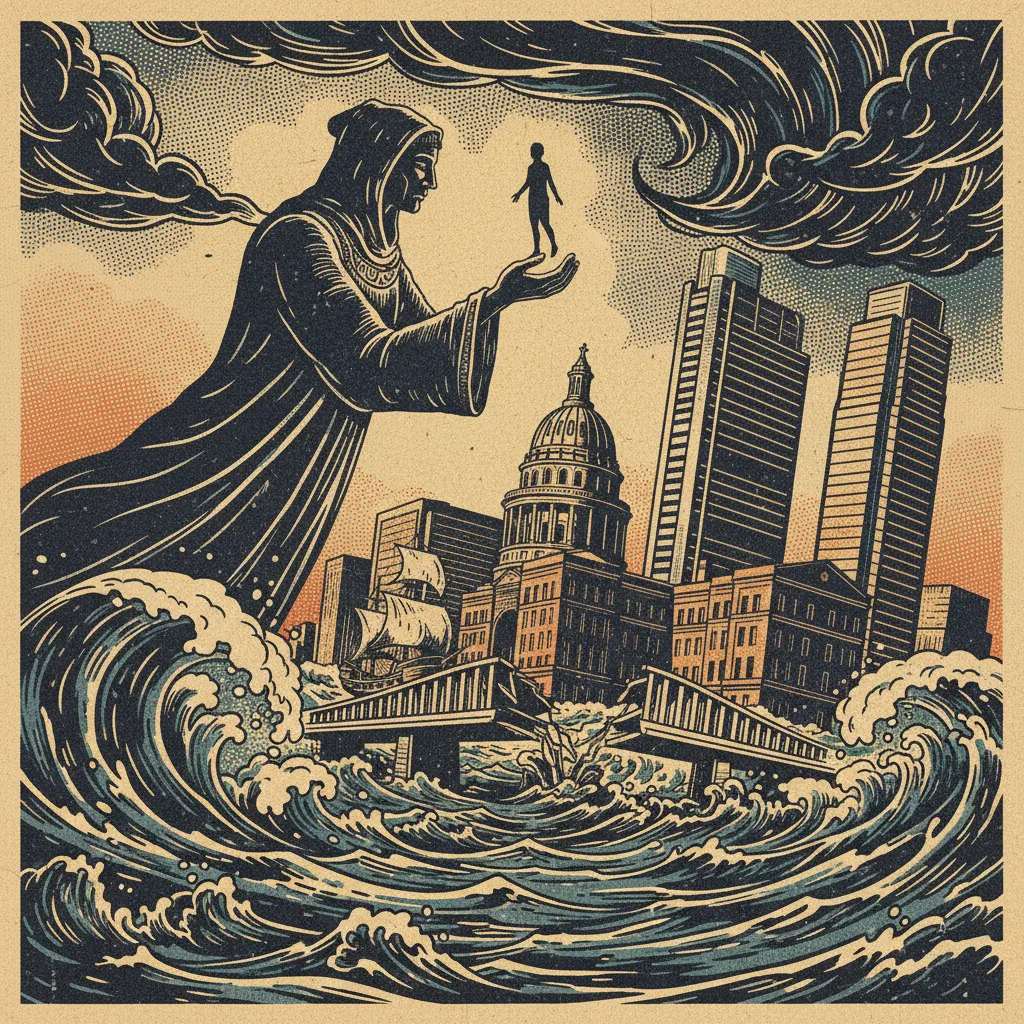
We build our metal behemoths, carve paths through the waves, and pretend we've conquered nature. But the ocean remembers. It waits. And occasionally, it reminds us that we are, in fact, just slightly evolved monkeys clinging to a rock hurtling through space. Today's reminder comes in the form of two unsettling incidents in the Caribbean.
The Big Picture
In a somber turn of events, a 21-year-old Marine from Florida has been declared dead after falling from an amphibious assault ship. Separately, two US military ships collided in the Caribbean Sea, prompting investigations and raising questions about maritime safety and operational protocols. These incidents, though seemingly unrelated, paint a stark picture of the risks inherent in military operations, even outside of active combat zones. It’s a poignant reminder that the cost of service can be tragically high, and that the sea remains an untamable force.
By the Numbers
What Changed
The illusion of control. We like to think that with enough training, technology, and planning, we can mitigate any risk. But the sea has a way of exposing the limits of human hubris. The Marine's death underscores the unpredictable nature of even routine operations, while the collision suggests a potential lapse in training, communication, or oversight. The underlying force is the relentless pressure of operational tempo, squeezing margins for error until something breaks.
Why It Matters
Because every life lost, every collision, is a crack in the facade of invincibility. It's a reminder that the systems we build are fallible, that the individuals we entrust with power are human, and that the world remains a chaotic, unpredictable place. It matters because these incidents, while geographically distant, speak to a universal truth: that no matter how hard we try to control our environment, we are ultimately at the mercy of forces beyond our comprehension. So, go ahead, try to enjoy your evening. But remember, the abyss is always watching.